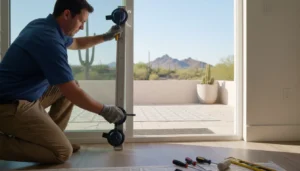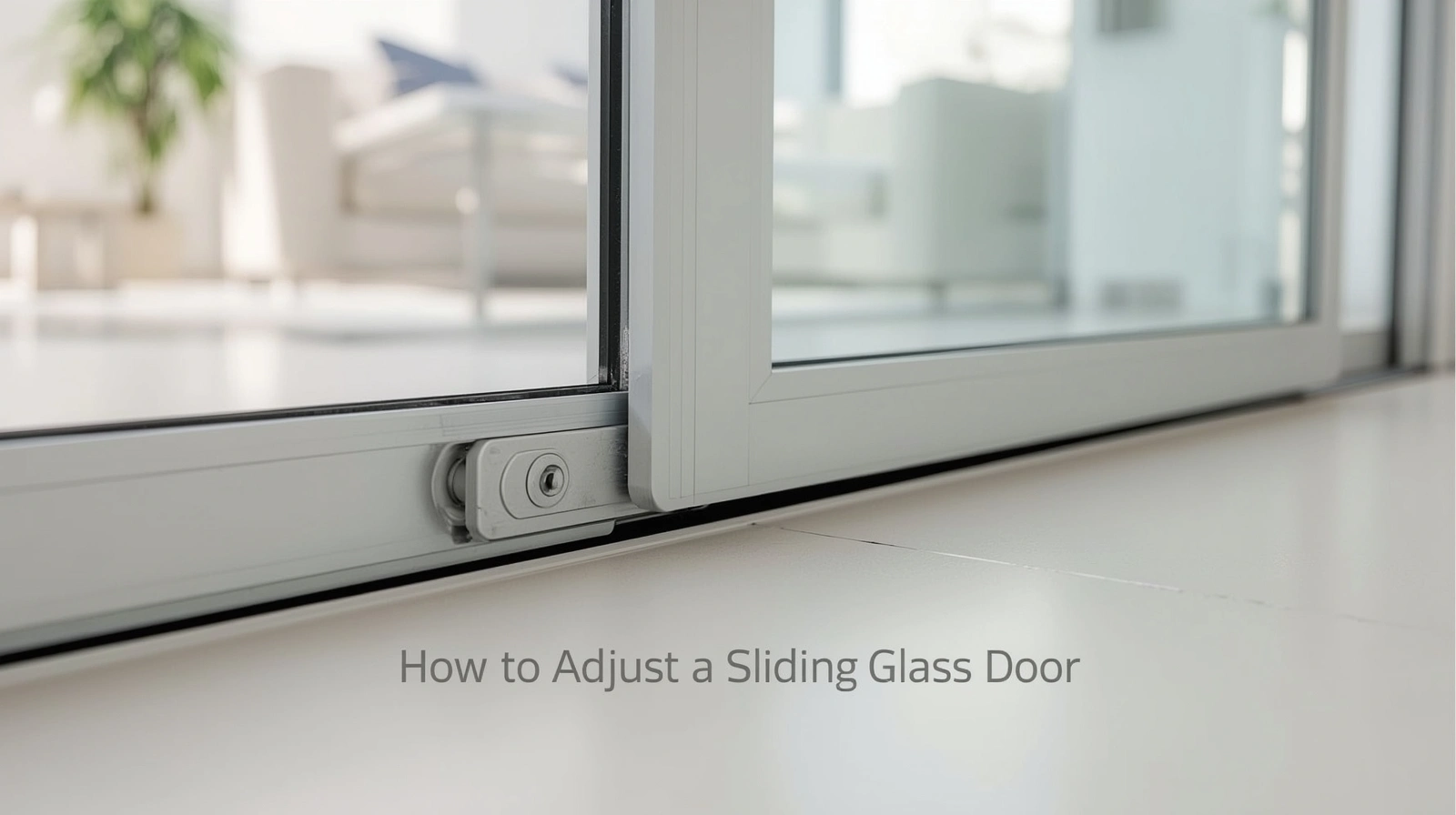
If you want a clear answer right away, here it is. You can adjust sliding glass door hardware by turning the small adjustment screws found near the bottom of the door. These screws raise or lower the rollers so the door can glide smoothly again. The simple steps below explain the full process in a safe, easy way.
A sliding glass door becomes hard to open when the rollers drop, the track gets dirty, or the adjustment screws need a small turn. With the right steps, you can fix most of these problems at home without stress. This guide explains why doors get stuck, how the screws work, and when to call a pro. You also get helpful tips that make the process safe and simple.
Why a Smooth Sliding Door Matters for Everyday Comfort
A sliding glass door plays a bigger role in your home than most people realize. It brings sunlight into the room, helps air flow through the house, and creates a clear path to the yard or patio. When the door glides smoothly, it feels light and easy to use. You can open it with one hand, and it closes with almost no effort.
But when the door sticks or drags, even a simple task like stepping outside becomes annoying. A stiff door makes it harder for kids or older adults to use it on their own. A rough or loud sliding motion can even disturb the calm feeling of your home.
A well working door also helps energy efficiency. When a door sits straight, it seals tightly. This helps keep warm or cool air inside and reduces energy loss. If the door is out of place, air can leak through the sides and raise your energy bills. Keeping the door smooth and aligned gives comfort and saves money at the same time.
Common Signs Your Door Needs an Adjustment
A sliding glass door usually shows small problems before it becomes hard to use. Look for these signs.
- The door feels heavier when you try to slide it.
- It drags along the bottom track instead of gliding.
- You hear scraping, rubbing, or grinding sounds.
- The door makes clicking or popping noises as it moves.
- It stops or slows down halfway across the track.
- One side of the door looks higher or lower than the other.
- The door lock does not line up or connect the right way.
- You need to use both hands or extra force to open it.
- The door glides unevenly or wobbles during movement.
- Dirt or small debris in the track keeps blocking the rollers.
These signs usually come from loose screws, worn rollers, or dirty tracks. Fixing the issue early helps you avoid bigger repair costs later.
What Causes a Sliding Glass Door to Stop Working Smoothly
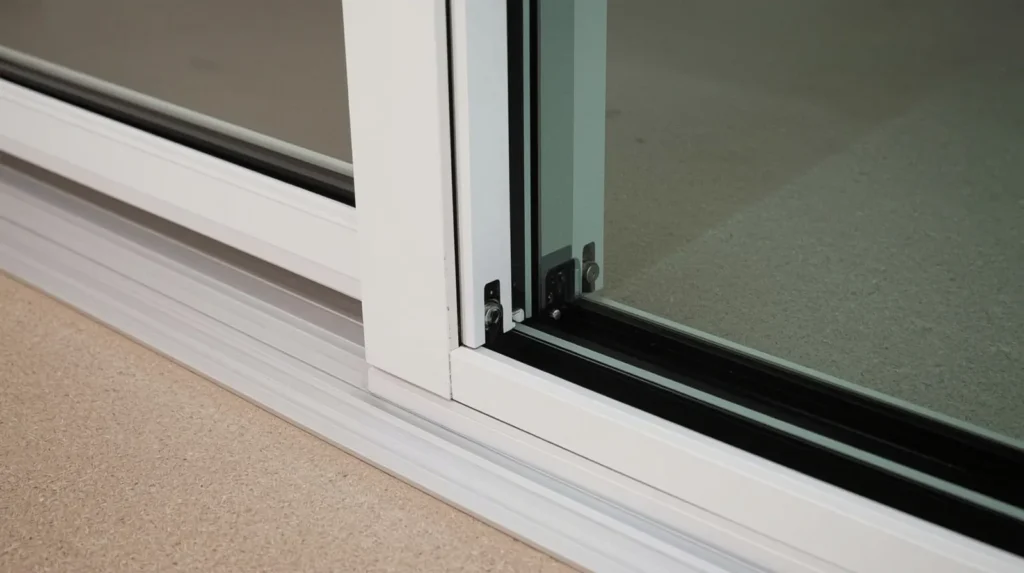
A sliding door does not stop working overnight. Most issues build up slowly. Dust, sand, or pet hair can fall into the track and block the rollers. Small stones from shoes or outside can get stuck under the wheels. Over time, these little pieces stop the door from rolling smoothly.
Weather changes can also affect the door. When temperatures rise or drop, the frame expands or shrinks slightly. These small shifts can change how the door sits in the track. After years of use, even strong rollers weaken. They may flatten, crack, or wear out.
The adjustment screws can also loosen as the door moves. A loose screw can make the door drop just enough to scrape. These common causes do not mean the door is broken. They simply mean it needs care.
How Adjustment Screws on Sliding Glass Door Frames Actually Work
The adjustment screws are tiny but very important. They change the height of the rollers inside the bottom of the door. When you turn the screw, it lifts or lowers the wheel. This lifts or lowers the whole door.
If you raise one side too high, the door tilts. If one side is too low, the door scrapes the track. The goal is to find the perfect balance that lets the door sit level. These screws work by moving small brackets that hold the rollers. Turning them a little at a time gives you control without forcing anything.
Many homeowners never notice these screws because they are hidden. Once you find them, the adjustment process becomes much easier than expected.
A Safe Way to Check Your Door Before Any Fixes
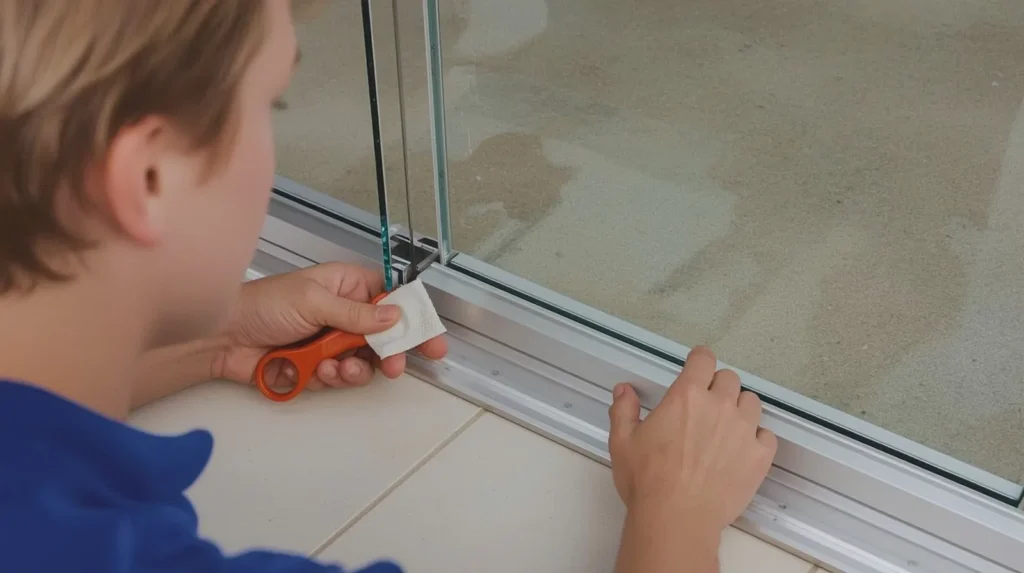
Safety comes first when working with a sliding glass door. Even though the door moves easily, it still has weight. Start by clearing the area. Remove mats, shoes, or toys near the track. Give yourself space to work.
Next, clean the track well. A dirty track makes it harder to know what the real problem is. Use a vacuum to remove loose dirt. Then use warm water and mild soap to wipe the track. If the track looks damaged or bent, note that before adjusting anything.
Check the rollers visually if you can see them. Look for cracked plastic or worn edges. Test the door slowly to find the rough spots. This simple check helps you understand what needs to be adjusted.
Step by Step Guide on How to Adjust Sliding Glass Doors the Right Way
Follow these clear steps to adjust sliding glass door hardware safely and correctly.
Step 1: Clean the track first
Gently open the door. Vacuum the bottom track to remove dust and debris. Wipe it with a damp cloth and let it dry. A clean track makes the adjustment easier and more accurate.
Step 2: Find the adjustment screw holes
Look at the bottom edge of the sliding door panel. Near each bottom corner, you should see a small hole or plastic cap. This is where the adjustment screws sit. Remove any cap if needed.
Step 3: Choose the right screwdriver
Most sliding doors use a flat head or Phillips screwdriver. Test the tool gently in the screw opening to make sure it fits snugly and does not slip.
Step 4: Adjust one side of the door first
Insert the screwdriver into the adjustment hole on one side of the door.
• Turn the screw clockwise to raise that side of the door.
• Turn the screw counterclockwise to lower that side of the door.
Step 5: Make small turns and test the door
Turn the screw only a quarter turn at a time. After each small turn, slide the door open and closed.
• If the door still drags on the track, turn the screw a little more.
• If the top starts rubbing the frame, you may have raised it too much.
Step 6: Adjust the other side to keep the door level
Move to the adjustment screw on the opposite bottom corner. Repeat the same process. Make small turns and test the movement. The goal is to have both sides at a height where the door glides smoothly and stays straight.
Step 7: Check for smooth movement and proper sealing
Once both sides are adjusted, slide the door fully open and fully closed several times.
• The door should move easily with one hand.
• It should not scrape at the bottom or rub at the top.
• The door should sit snugly when closed so the seal is even.
Step 8: Recheck the lock alignment
Close the door and test the lock. If the lock lines up and clicks into place without force, the height is correct. If it does not connect, you may need very small final adjustments on either side.
Step 9: Replace any caps and clean up
If you removed plastic caps from the adjustment holes, put them back. Wipe the track one more time so it stays clean and neat.
Step 10: Do a final glide test
Stand back and slide the door a few more times at normal speed. Listen for smooth, quiet movement. If it feels light and easy, your adjustment is complete
How to Raise or Lower Your Door Using the Wheel Screws
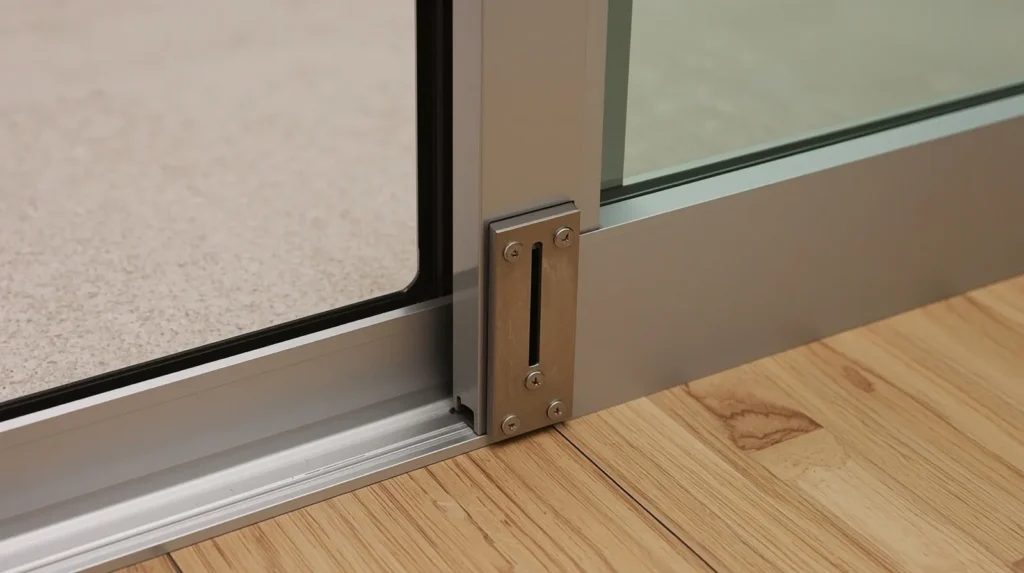
The wheel screws work with the rollers. When the rollers sit too low, the bottom of the door drags. When they sit too high, the top rubs. Raising or lowering the rollers changes how the door fits.
Turn the screw clockwise to raise the roller. Turn it the opposite way to lower it. If your door leans to one side, lift the lower side. This helps the door stay straight and centered in the track.
Always test the movement after each turn. You may need to go back and forth between both sides until the door feels even. Once level, the door should slide easily with just one hand.
Fixing a Sliding Door That Does Not Glide Smoothly Anymore
If your door feels rough even after adjusting the screws, look deeper. The track may have dents or bumps. Lightly sanding small bumps or wiping with a clean cloth can smooth the surface.
The rollers may also need cleaning. Dust can stick to the wheels and make them less effective. A small amount of silicone spray helps them roll better without attracting more dirt. Never use oil because it can make the track sticky.
Also check the weather strip at the bottom of the door. If it bends or folds, it can drag along the track. Straighten it gently so it no longer blocks the movement.
When the Adjustment Screws on Sliding Glass Door Frames Are Not Enough
Sometimes the screws are not the real issue. If the rollers are cracked or flat, no amount of adjustment will fix them. Replacing the rollers requires removing the door. This process takes more skill than a simple adjustment.
The track may also be damaged beyond a basic repair. A bent track makes the rollers wobble or get stuck. If you see deep dents, your door may need track repair or replacement.
Glass doors can also shift with age. If the frame changes shape even a little, the door will not sit correctly. These are signs that a trained technician is needed to restore the door.
Why Professional Help Saves Time and Prevents Costly Damage
A skilled technician can diagnose the door in minutes. They know the difference between a simple height issue and a more serious hardware problem. They also have special tools that make repairs easier and safer.
Trying to force a door into place can crack the rollers or bend the frame. Fixing these mistakes can cost much more than calling a pro from the start. Professionals understand how to handle weight, glass, and hardware without causing damage.
When you hire help, you also gain peace of mind. A properly repaired door lasts longer, moves freely, and locks with confidence.
How Capstone Windows and Doors Helps Homeowners in Phoenix, AZ
Capstone Windows and Doors has years of experience working with sliding glass doors. The team handles everything from simple adjustments to full replacements. Their technicians understand how each part works inside the frame. This helps them find problems that most homeowners cannot see.
The company also explains each step so you feel informed and comfortable. They take time to check the rollers, track, frame, and hardware carefully. When a repair is complete, your door should feel stable, smooth, and easy to use again.
Homeowners trust Capstone Windows and Doors because the work is done with care, attention, and real skill.
Conclusion
A sliding glass door can become hard to use for many small reasons. Dirt in the track, loose screws, and worn rollers are common issues. Cleaning, checking the track, and making small screw adjustments help the door move better. When the door needs more repair than you can handle, a professional can fix it safely and quickly.
If you want your sliding glass door to move like new, help is only a call away. One small repair can make your home feel brighter and more comfortable again.
Call Capstone Windows and Doors today for friendly help and a smooth sliding door you can enjoy every day.